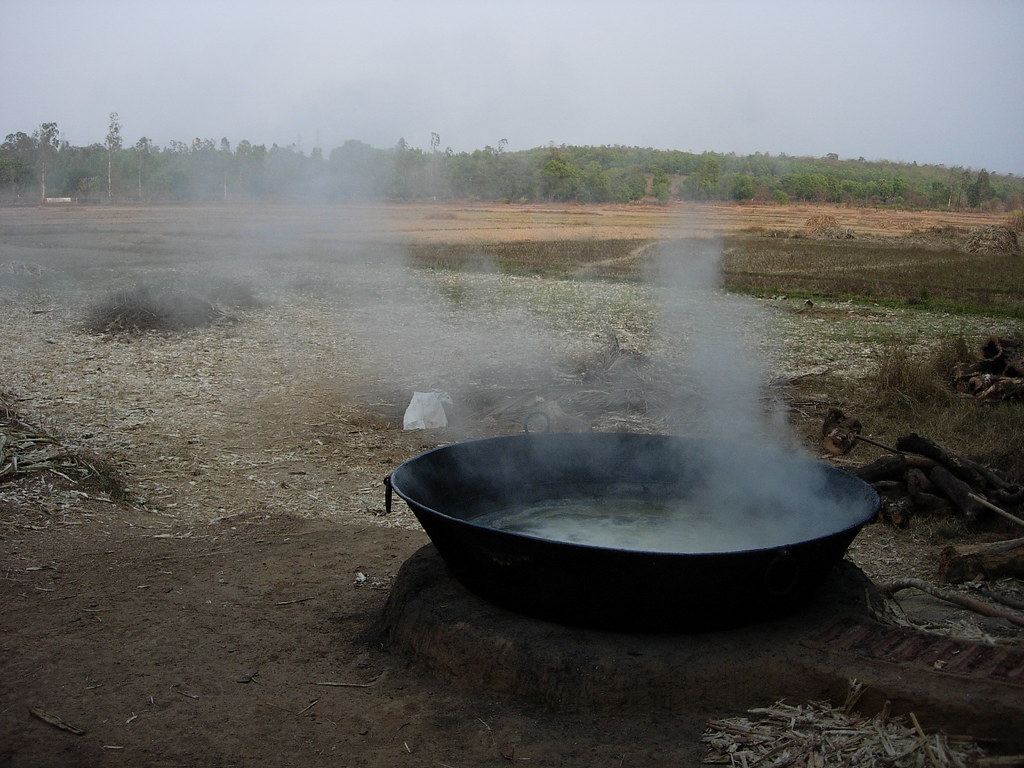
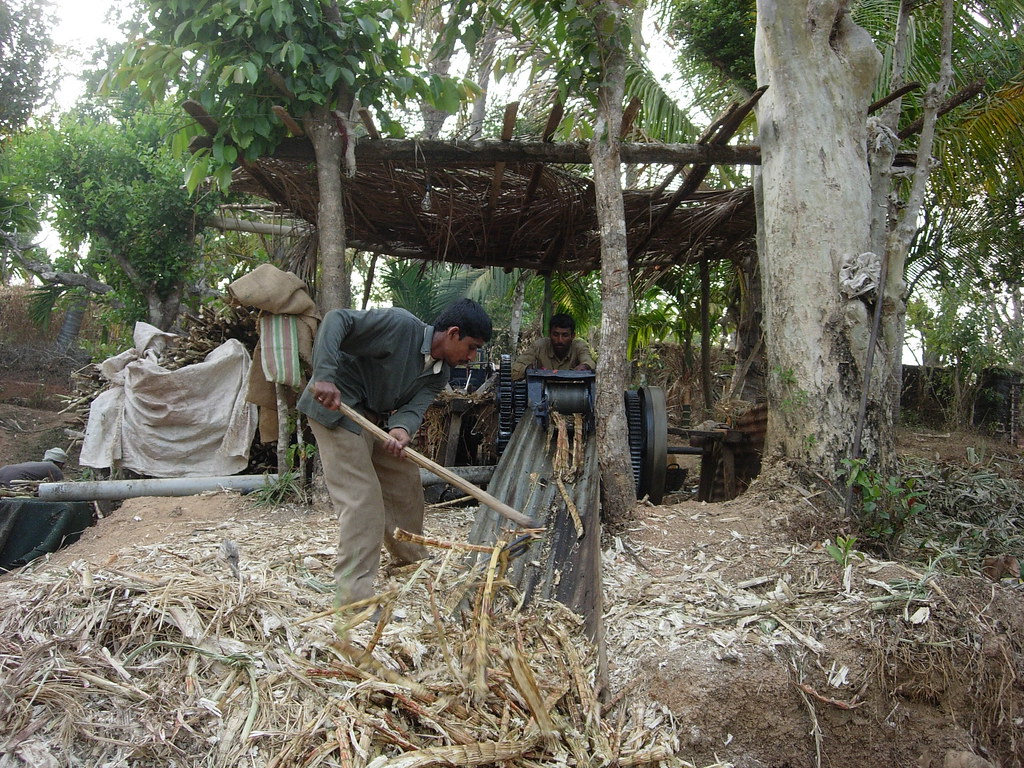
here are some of the pictures of Goa trip earlier this year.

Hope you like them.


'Bluffmaster', the Hindi flick came as a 'relief' Aishwarya, breaking junior Bachchan’s vow to join the Hall of Fame in Bollywood to have given the maximum number of flops humanly possible. I had been very impressed by the style treatment to an excellent story, which had a good dose of humour, and romance. It surely promised a great future for the Mumbai movie industry that was evolving into a new avatar.
Alas!!! I realize now that it has been more than inspired by the Argentinian movie ‘Nine Queens’. Nine Queens forms a quicker, realistic, and a straighter story than ‘Bluffmaster’, and keeps the pace throughout. Despite flaunt of style, the nonchalance of the narration impressed me the most.
The story is simple. A young con joins an experienced con for one day. In this day, they chance upon the opportunity to make the money worth their lives. The excitement is about the various barriers that they come across in their pursuit of the opportunity, in the form of an invaluable set of 9 ancient stamps called the ‘Nine Queens’.
If you like fun movies, and don’t mind the subtitles, this is a great movie for a Sunday afternoon watch.
Have fun.
“How to make my team perform?” I asked my coach. I was participating in a leadership program where I had taken up the community project of bringing homeless children under the care of NGOs. My team consisted of a group of my friends, who were working with me on the project.
“Why? What is happening?” my coach asked me.
“My team is wanting to perform. But, they are not. They are coming up with a lot of reasons that stop them from taking actions. I end up trying to solve those problems for them. This leaves me with no time to visualize the future for the team. I become involved in the routine issues of the team.”
“Do you actually realize that you are not helping them by doing their job?” my coach asked me.
“Yes, I realize that. They will not learn anything if I do the job for them. But, when they request, I am forced to help,” I said.
“You are not relating to them as leaders,” my coach made a statement.
“What?” I was puzzled.
“You treat them as weak human beings who need help.”
“No, I treat them with respect,” I protested.
“I get that. But respect has nothing to do with you relating to them as leaders,” my coach added.
This was very confusing. I treated them with utmost respect, and was ready to help them if they needed it. What was wrong with that?
“A very important character of a leader is to create leaders around him. Without such a group of leaders around you, you will never be able to grow on a global scale. So, if you want your team to excel, create leaders around you and ‘relate’ to them as leaders,” my coach said.
“How can I relate to them as leaders? What do you mean by that?” I asked.
“Consider them to be powerful human beings. How would you, as a leader, talk to another leader? Imagine that, and bring forth that in the team,” said my coach.
“There are five levels of initiatives when your team members confront adversities,” my coach continued, “These are
1. Waiting to be told
2. Asking what to do
3. Make a recommendation, and take your feed back to take actions
4. Take actions, and advise you.
5. Complete the job, and report it to you.
If they are in the first two levels, you are not relating to them as leaders. They are coming up with a problem to you, looking out for a solution. As you don’t think that they will be able to carry out your suggestions, you will end up doing the job for them.
You will have to make it clear to the team that you will relate to them as powerful human beings, who can overcome adversities, and expect them to come to you only with the third level of initiative or higher. The first two levels are unacceptable.”
I was getting a sense of what my coach was telling me.
“When they take time to figure out a solution, and make a recommendation, it would make the project more exciting, as their solutions are being implemented. Plus, it would give you a lot of time to spend on creating a vision for the team, rather than micromanagement of daily tasks.”
“This is fantastic,” I said. I realized that by relating to my team members as leaders, and getting them to come up with innovative solutions, I would have to let go of my attachment to my way of solving the issues. But, it would make the project exciting, as the team members would be bringing forth their creativity in overcoming barriers.
“Would you want to share this with your team and get them to be leaders?” my coach asked me.
“Oh! Yes. I will do that right away,” I said in excitement.
“Good. Now, there are some other things to consider while you are working with your team,” my coach said.
I listened intently.
“These are the traps that the team will fall into, if you are not careful. These are,
1.Unimportant
2.Irrelevance
3.Immeasurement
Unimportant
Recognition for a team member plays a significant role in the quality and quantity of the work that gets done from the person. If the team member feels that he is not important for the team, and does not see that his presence or absence makes any difference, he would rather be absent. As a leader, the onus is on you to realize the importance of each member of the team, and share it with him or her. When there has been a significant contribution from any member, it has to be recognized and acknowledged immediately.
Irrelevance
If a team member were not sure about where his work fits in the bigger picture, he would not find his work relevant. The irrelevance of his work would not give him the excitement of accomplishing it. Hence, work without excitement would soon result is minimal and finally no work. You will have to draw out a bigger picture of the accomplishments of the team, and point out the contribution of each member of the team in the accomplishments. This would not only make the contribution relevant, but makes the team member whole-heartedly take the acknowledgement for the team’s accomplishments.
Immeasurement
The job done by the team member will have to be measurable. Not measuring performance is a sure shot way of failing. You can employ any standard to work with the team member and come up with a way to measure the performance of the team member. When the performance is measured, you would have defined a game for the team member to play. At the end of a milestone, the team member can check whether or not he has been successful in accomplishing the results expected. If he has not been able to accomplish the goals, he can observe what is missing in the effort and bring it into the activities, such that the milestone is met effectively,” my coach ended.
“This is awesome. I will take care of these things,” I mentioned, sitting at the edge of my seat, ready to implement these distinctions right away.
“Good luck to you,” my coach smiled.
- Authored by Thejas K R, with inputs from Landmark Education, and Harvard Business Review